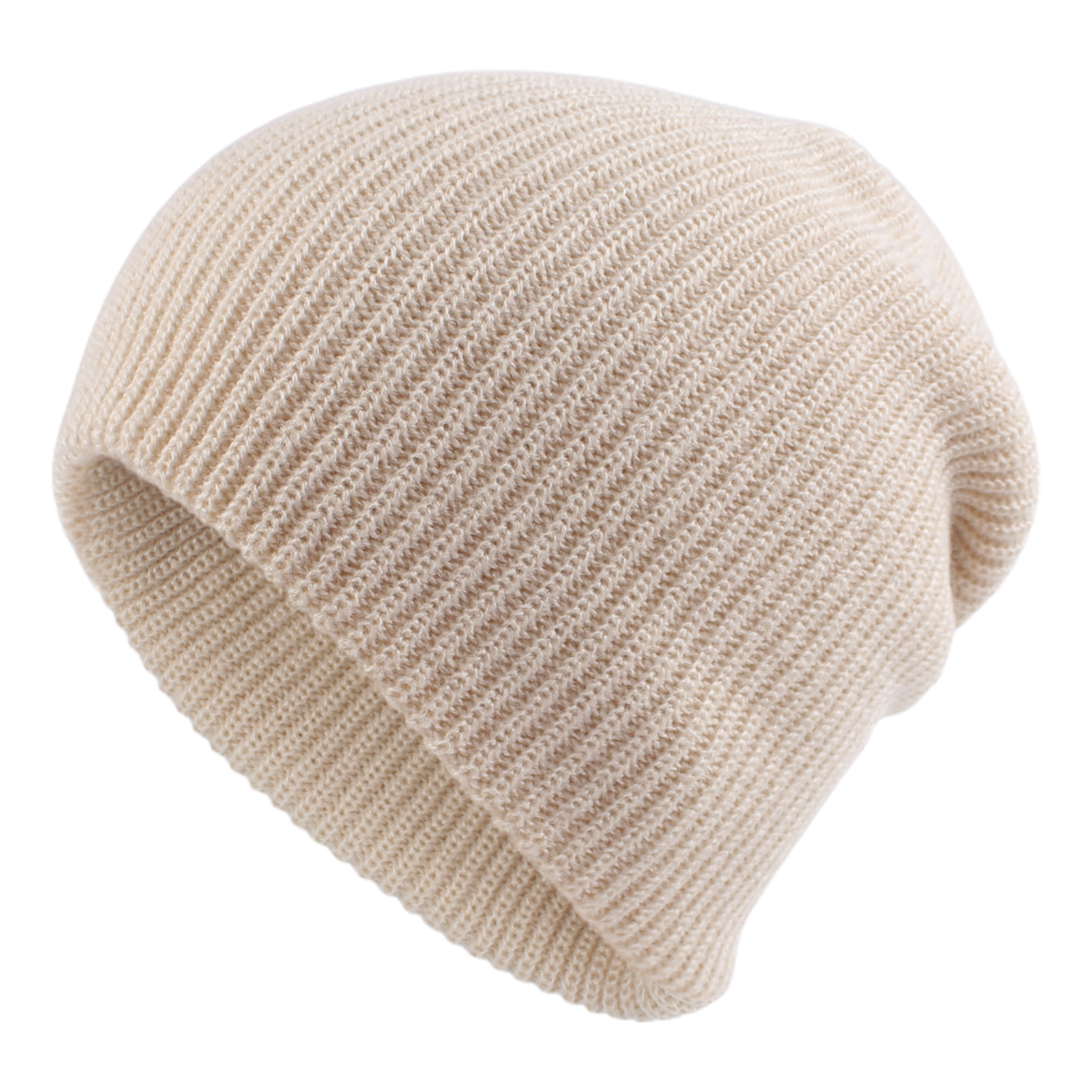
I used to think a hat was just a hat. If it covered my ears, that was good enough. Spending more than twenty dollars on something I might lose seemed foolish. I couldn't have been more wrong.
For years, I bought the cheapest beanies available. They always looked great in the store, but after just one week, they'd either stretch out or feel scratchy. I realized I needed a permanent solution for achieving a comfortable man in beanie hat look, not just a temporary fix.
This is my journey from buying fast fashion acrylic to investing in high-quality knitwear. The difference has been remarkable—it's about genuine warmth, lasting comfort, and true style.
My first beanie cost $20—a bright red acrylic cap from a major chain store. It lasted just three weeks before starting to look terrible.
These budget hats use thin, synthetic yarn that feels soft initially but pills rapidly. Pilling occurs when tiny fuzz balls form across the fabric, making the hat appear old and worn far too quickly.
Here's the kind of feedback these hats typically receive:
Verdict: Avoid anything super cheap that doesn't clearly state the yarn type. If the price falls below $25, quality will likely disappoint. Cheap caps prove useless if you live somewhere genuinely cold.
I upgraded to a $40 beanie, searching for something slightly better. I found a ribbed knit cap claiming to have a "wool blend." These were... acceptable.
The mid-range hat felt thicker than its cheap counterpart, with a slightly better fit due to tighter knitting. However, the wool content typically ranged between 10-20%, with the remainder being higher-quality acrylic.
This phase proves confusing—you pay double the price of budget hats without receiving double the quality. While suitable for daily urban wear, these hats still lack proper insulation and distinctive style.